
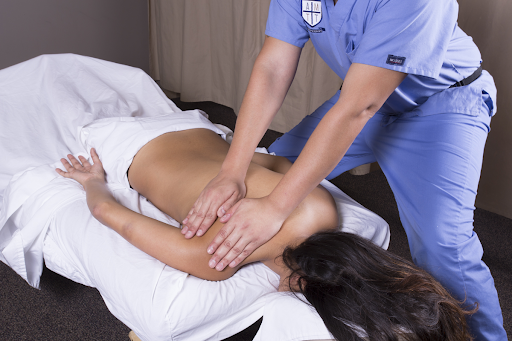
Your body records every ounce of stress that is inflicted upon it. It doesn’t matter whether it is a deadline or long hours spent in front of the computer screen. All of it builds up to a certain point where your muscles decide to make their presence known. You, along with most other people, try to resolve the tension in the muscles through stretches and sleep. Massage therapy is a real way out of that cycle. It is not a splurge or a temporary fix, but a licensed, structured service that actually works.
The right technique, applied by a trained therapist, can ease chronic tension, improve how your body moves, and bring your stress levels down in ways that actually last. In fact, there is consistent evidence of pain reduction and improved function through massage, which we’ll talk about later in this guide. Let us walk you through exactly what massage therapy looks like in San Antonio!
Key Takeaways
|
Overview Of Massage Therapy And Conditions It Can Treat
The practice of massage therapy is literally defined as the manipulation of soft tissue through a series of movements involving strokes and pressure. Muscles, connective tissues, tendons, and ligaments; they are all encompassed under it. Basically, massage therapy is aimed at reducing pain and facilitating healing while returning your body to its natural state.
In Texas, it is a fully licensed profession controlled by TDLR and governed by Texas Occupations Code (TAC) §455.001. In other words, those who manipulate your soft tissue are highly trained professionals with an appropriate education and qualifications. Therefore, there’s nothing shady about it as it belongs to healthcare-related practices.
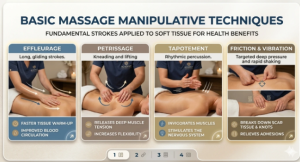
There is a series of basic manipulative techniques applied to your tissue, which have various effects:
You might also see it listed as therapeutic massage, myotherapy, or a body rub, all legally synonymous under TAC §117.2, with the same scope of practice.
What People Actually Come In For
- Lower back pain or neck tension
- Severe headaches and stress that’s settled into muscle
- Post-workout soreness and slow recovery
- Stiffness from long hours of sitting
Findings From Research
While most people report noticeable changes after their first session, the real benefits take time. According to research conducted by Pain Medicine, massage therapy is an excellent pain management tool. It shows significant changes in both pain levels and the quality of life of participants. The number of sessions is as important as the type of massage you get.
The conditions with the strongest clinical backing include:
- Shoulder pain and knee arthritis
- Post-surgical soft tissue recovery
- Anxiety-related muscle tension and tension headaches
The nervous system effects are just as notable. There has been documented evidence in The International Journal of Neuroscience about average reductions in cortisol levels by 31%, in addition to serotonin level increases by 28% and dopamine level increases by 31%. This goes to prove that it is not only because it is nice, but there are also actually physical changes happening in the chemical makeup of your body!
And if you are still trying to figure out whether massage therapy would be for you, read about its positive impacts on your wellbeing.
Swedish Massage: Definition & Experience
Feeling unsure about which type of massage to try? Well, you need not worry anymore, as the basic massage technique will be the starting point in any session. Being the base of all modalities, as stipulated in TAC §117.59 under the curriculum requirements for licensing purposes in Texas, Swedish massage involves the application of five main massage techniques, including effleurage, petrissage, tapotement, friction, and vibration, across the whole body.
The pace is slower, the pressure is firm but adjustable, and the whole session is built around releasing what you’ve been holding onto, tension, stress, restricted movement, in a way that actually lasts beyond the table.
Is Swedish Massage Right for You?
It works especially well if you’re dealing with:
- General muscle tension and stress that’s settled in everywhere
- Never had a massage before and not sure what to expect
- Poor circulation or sluggish post-workout recovery
- Disrupted sleep or low-level anxiety that won’t quit
What Actually Happens During a Session
Your student therapist starts with a short intake; nothing complicated, just a few questions about:
- Where you’re holding tension or pain
- How much pressure feels comfortable
- Anything in your health history worth knowing
From there, it’s typically 60 minutes of structured, full-body work. You stay in control the whole time, and if the pressure is too much or not enough, just say so!
Before You Book

Deep Tissue, Trigger Point, and Myofascial Release
Most people have heard of deep tissue massage. Fewer know what trigger point therapy actually does, or why myofascial release exists as its own modality. They’re not interchangeable- each one works a different layer of tissue, for a different kind of problem.
Getting Past the Surface — Deep Tissue Massage
If you’ve been carrying the same tension for months and nothing seems to touch it, deep tissue massage is probably what you need. It uses slower, more concentrated pressure to get past the surface layer and into the deeper muscle tissue and surrounding fascia. It’s not just Swedish massage turned up; the whole approach is different. Instead of moving through the body broadly, it finds the problem areas and stays there until something actually shifts.
It tends to work really well for:
- Persistent back and neck pain that cannot be solved by light physical activity.
- Tension within the body accumulated due to prolonged sitting at a desk.
- Tight muscles caused by repetitive stress, athletics, or injuries.
It’s absolutely normal to experience some mild discomfort in the first 24-48 hours. In case this happens, don’t worry – it only indicates that your muscles have been used, not harmed. Just drink plenty of water and rest!
Determining the Source of Your Discomfort – Trigger Point Therapy
Do you ever have a headache or a strange feeling in your arm that does not go away, regardless of the remedies you try? The reason for these unpleasant sensations may lie in a trigger point or a contracted muscle knot.
Trigger point therapy works by holding direct, sustained pressure on these spots long enough to interrupt the contraction and the referral pattern with it. While it can be briefly uncomfortable, the relief on the other side is hard to argue with.
When the Issue Is Deeper Than Muscle — Myofascial Release
The fascia covers all muscles in the body. Once the fascia is constricted due to injury, stress, or repetitive motion, there will be a tightening that affects both muscles and other structures in the body. Thus, the pain will continue even after the muscle is released!
Unlike a deep tissue massage, myofascial release involves applying pressure to the fascia instead of the muscle tissue. It is gentler compared to deep tissue but accesses a completely new area in the body. It is perfect for those who suffer from stiffness and muscle constriction after an injury.
Prenatal, Geriatric, and Special Population Massage
What Changes During Pregnancy — Prenatal Massage
The physical strain that comes with being pregnant cannot be overlooked. Fortunately, research in the publication Midwifery has found that massage therapy for pregnant women can help relieve symptoms of depression and anxiety, relieve leg and lower back pains, and increase immunity. When carried out correctly, this practice is one of the best things you can do for your body.
Here are some things to keep in mind:
- Position: Pregnant women should not lie flat on their stomachs or backs for long periods of time. The side position with support from pillows is the most common.
- Pressure: Deep pressure is not recommended since it can cause dislodging of blood clots and a change in blood pressure.
- Timing: Many practitioners will wait until the second trimester to start working with pregnant patients since there is a higher chance of miscarriage during the first trimester. In addition, certain acupressure points may induce labor.
Ensure that you receive medical approval before going for any massage sessions. This is particularly important if you have high blood pressure, gestational diabetes, preeclampsia, or any other complications.
Working With an Aging Body — Geriatric Massage
Older adults respond really well to massage when the approach is right. Research published in the International Journal of Therapeutic Massage & Bodywork has shown that even a single 60-minute session has a stabilizing effect on balance and physical stability, meaningful for older persons managing mobility or fall risk. The adjustments that matter most:
- Osteoporosis: Strong pressure, especially around the spine, can put fragile bones at risk. Lighter techniques are essential, and deep work is avoided entirely
- Skin and circulation: Aging skin is more fragile and slower to respond, so pace and pressure are dialed back accordingly
- Cardiovascular conditions and diabetes: If you’re on blood thinners or managing a heart condition or diabetes, your therapist needs to know before the session begins, and a quick check-in with your doctor beforehand is always the right call
Sports Massage and Adjunct Wellness Treatments
What Is Sports Massage?
Sports massage uses many of the same techniques as Swedish and deep tissue work; the difference lies in the intention. Everything is applied with your training cycle in mind:
- Pre-event: Lighter, faster strokes that wake the tissue up and prime the nervous system without wearing the muscle out before you’ve even started.
- Post-event: Slower, more deliberate work that helps your body process what built up during exertion and actually begin recovering.
It takes the edge off the soreness and stiffness that accumulates when you’re pushing consistently. It’s a good fit if you’re:
- Training regularly and feeling soreness between sessions
- Dealing with repetitive strain from sport or physical work
- Trying to keep your body moving well for the long haul
Hydrotherapy — What Heat and Cold Actually Do
- Heat: Loosens tight tissue, gets circulation moving, and makes the body more receptive to hands-on work.
- Cold: Dials down inflammation and takes the edge off pain after something intense.
- Alternating both: Creates a vascular flush effect that most people describe as feeling noticeably lighter when they leave.
Body Treatments — Scrubs, Wraps, and Aromatherapy
- Scrubs: Clear away dead skin, improve surface circulation, and prep the skin to actually absorb what comes after
- Wraps: Bring in heat alongside ingredients like clay, seaweed, or essential oils to hydrate and wind the body down
- Aromatherapy: Essential oils like lavender and peppermint work alongside massage to reduce anxiety and deepen the relaxation response. A systematic review of 11 clinical trials found that lavender inhalation significantly reduced anxiety levels across 972 participants.
Your Rights as a Client: Consent, Draping, and Session Standards
Before any session begins, Texas law requires your therapist to complete a proper intake and consultation. Under TAC §117.91, this includes reviewing your health history, identifying any contraindications, and getting your informed consent before any hands-on work starts. You have the right to see and keep records of your own session documentation: that’s not a courtesy, it’s a legal requirement.
What to Expect During Your Session
Texas law sets clear draping standards every licensed therapist must follow:
- The genital area and gluteal cleavage must remain draped at all times, without exception
- Draping is maintained and adjusted throughout the session as you reposition
- You undress only to your comfort level: Your therapist leaves the room and returns only when you’re on the table and covered.
If draping standards aren’t being maintained or something about the session makes you uncomfortable, you’re entitled to end it immediately and file a complaint directly with the TDLR.
How a Licensed Massage Establishment Operates Under Texas Law
When you walk into a massage establishment in Texas, there’s a legal framework governing everything: who’s allowed to work on you, what you should see on the walls, and how the linens are cleaned. Here’s what that actually looks like:
Licensing and Staffing
No establishment can open its doors until its license has been approved by TDLR. Every owner must pass a criminal background check and fingerprinting through the Texas Department of Public Safety. required at both the application and renewal. Plus, licenses run for two years!
What You Should See When You Walk In
Texas law is specific about what must be visible to you as a client:
| What | Where |
| Every therapist’s license has a photo attached | Posted in plain sight: §455.204 |
| Establishment license | Displayed prominently |
| Human trafficking notice in English, Spanish, Korean & Mandarin | Publicly visible area: §455.207 |
| TDLR complaint contact information | Accessible to all clients |
Sanitation Standards
Under TAC §117.83, every establishment must follow strict hygiene protocols:
| What | Requirement |
| Linens | Fresh set for every single client |
| Towels | Washed in chlorinated hot water |
| Oils and products | Stored in closed containers at all times |
| Equipment and furniture | Kept clean and in good repair |
| Trash | Emptied daily |
TDLR conducts unannounced inspections to verify all of this. Violations carry penalties from $500 to $5,000, and repeat offenders risk suspension or full revocation of their license!
How to Choose a Licensed Massage Therapist or Establishment in Texas
Check Before You Book
This takes two minutes and is genuinely worth doing. Every licensed therapist and establishment in Texas is searchable through the TDLR license lookup tool: just enter a name, license number, or business name. You’ll see their current status, expiration date, and whether any disciplinary actions have been taken. If something looks off, trust that feeling.
What It Means If Someone Isn’t Licensed
Practicing massage without a license in Texas isn’t a gray area; it’s a violation of Texas Occupations Code §455.151 and carries real legal consequences, including fines and potential criminal charges. If a therapist can’t show proof of licensure when you ask, don’t proceed. You can report unlicensed activity directly to TDLR at tdlr.texas.gov.
Conclusion
Now that you know the variety of massage therapy options at your beck and call, you must understand that taking care of your body is never really a waste of time. Good massage therapy, done consistently, makes a real difference, and that is why we are here! At the Academy for Massage Therapy Training in San Antonio, our skilled student therapists are trained under expert supervision to deliver quality care at affordable rates. Contact us and explore our services to book your session today!
FAQs
Q1. What should I avoid doing immediately after a massage to not undo the benefits?
Avoid intense workouts, dehydration, or long periods of poor posture right after your session. Your body needs time to adapt to the changes.
Q2. How long does it take to see lasting results from massage therapy?
For most people, noticeable improvement starts within 2–4 sessions, but lasting structural changes typically require consistent treatment over several weeks.
Q3. How does massage therapy compare to medical or chiropractic treatment?
Massage therapy targets muscle tension and stress, while medical care diagnoses conditions, and chiropractic treatment focuses on spinal alignment.
Q4. How soon before an event or busy week should I schedule a massage?
Ideally, 1–2 days before, so your body has time to reset while still feeling the benefits when you need them most.
Q5. How do I know which type of massage is right for my specific pain?
It depends on the source of your discomfort: muscle tightness, trigger points, or deeper tissue restriction. A licensed therapist should assess this before recommending a technique.